
The biggest story of 2026 isn't that AI is getting smarter. Everyone already knows that.
The story is that technology companies have started competing on autonomy. Microsoft spent Build 2026 unveiling autonomous workplace agents capable of proactively handling tasks on behalf of users, while the broader industry continues its race towards systems that can reason, decide, and act with increasingly little human intervention. Across the sector, the language has shifted from software to agents, from tools to autonomy, from assistance to delegation.
For the first time in the history of computing, we are not simply building systems that respond to human instruction. We are building systems that increasingly operate between instructions. Systems that interpret context, infer intent, and determine actions before a user has consciously chosen them. The ambition is extraordinary. The engineering achievement is undeniable. Yet beneath the excitement lies a more fundamental question: as our systems become more capable of making decisions, do we become less capable of understanding them?
This question extends far beyond artificial intelligence. It is a question of design. A question of whether progress should be measured by the complexity of the technology itself, or by the clarity with which it serves the people who use it. Because while capability has accelerated at an unprecedented pace, human cognition has not. The limits of attention, understanding, and trust remain unchanged. Technology may evolve exponentially, but people do not.
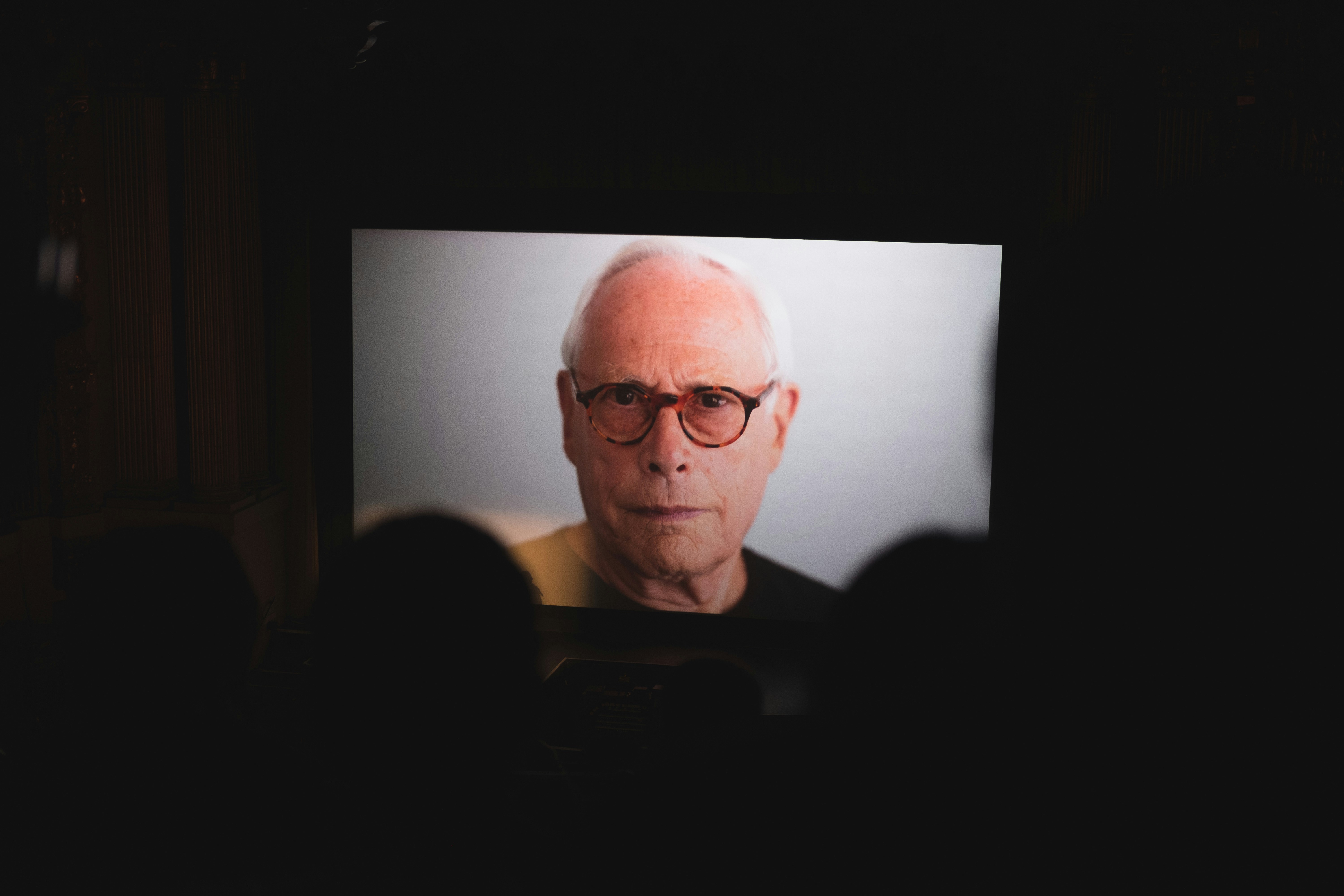
There is a simple ethos that sits beneath the great companies in technology, often felt but rarely made explicit, and it echoes Dieter Rams:
“Good design is as little as possible. Less, but better, because it concentrates on the essential aspects, and the products are not burdened with non-essentials. Back to purity, back to simplicity.”
But simplicity is not an aesthetic condition. It is a cognitive one. It exists only where a system can be understood without distortion, where cause and effect remain visible to the mind that engages with it. In that sense, most modern systems are not becoming simpler as they evolve, they are becoming more removed from interpretation. Capability has increased, but legibility has not followed.
That gap is where Knoesis begins. Knoesis holds true to the belief that complexity does not need to eclipse usability. Through considered design, and through systems that respect the limits of human attention, it is possible to harness the acceleration of artificial intelligence without surrendering clarity to it. Progress in capability is not, on its own, progress in experience. If a system cannot be meaningfully understood by the person using it, then its value becomes partial at best, and misleading at worst.
At its core, technology only has meaning when it is used. Not demonstrated, not benchmarked, not abstractly improved in isolation, but applied in the real constraints of human life. When this connection is lost, when systems become too distant from the people they are meant to serve, the act of building begins to detach from its purpose. Knoesis is built against that drift.
There is also a more grounded truth that underpins this work. In my previous writing, I described the role of dreamers in shaping technological progress, those who impose their vision on what is possible and gradually pull reality towards it. But there is another group, less often spoken about, who are just as central to that progression. They are not defined by ambition at scale, but by persistence in the everyday. The people who show up, who work, who support families, who keep systems running, and who shape the stability on which innovation depends. It is for them that this technology is ultimately being designed. Not to replace their judgement, but to strengthen it, to reduce friction in their decisions, and to create environments in which work is not only efficient, but meaningfully fulfilling.
This distinction matters, because it reframes what we are actually optimising for. Much of the language around modern software has drifted towards abstraction: efficiency, automation, throughput. These are not meaningless goals, but they are incomplete ones. They describe what a system does at scale, not what it feels like at the point of use. The lived experience of technology is not measured in benchmarks, but in moments of decision, uncertainty, and action. It is here that most systems either empower the user or quietly remove them from the process.
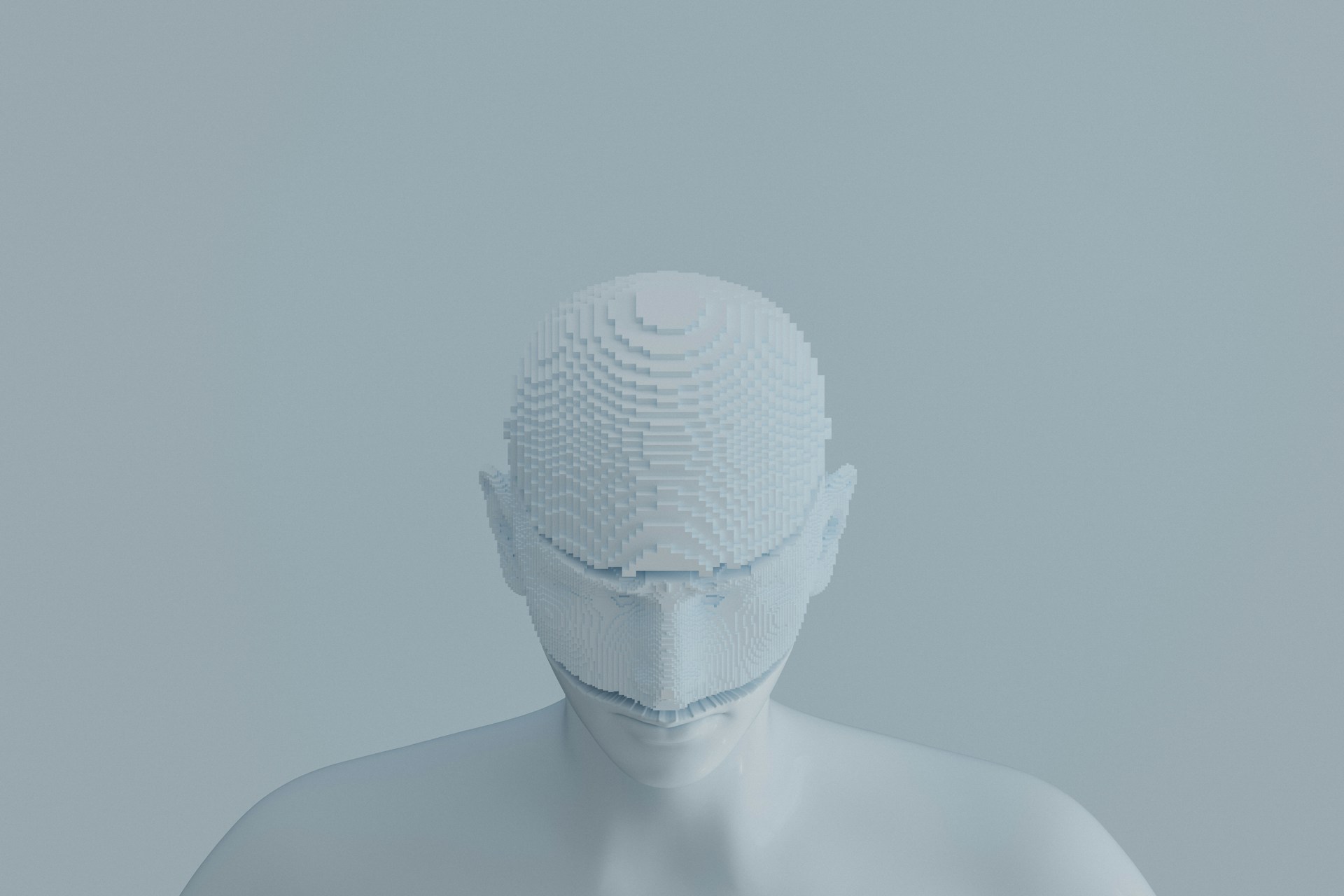
As artificial intelligence becomes more capable, there is a growing temptation to delegate not only execution, but interpretation. Systems now predict intent, generate options, and increasingly choose between them. On the surface, this appears as progress. But beneath it lies a more subtle shift: the relocation of judgement away from the individual and into the system itself. When this happens without transparency, the user is no longer collaborating with a tool, but adapting to a structure they cannot fully see.
Knoesis rejects that trajectory. Not through resistance to progress, but through a different interpretation of it. Intelligence, in this context, is not defined by how much a system can decide, but by how clearly it can surface the reasoning behind those decisions, and how easily that reasoning can be challenged, adjusted, or understood. A system that cannot be questioned is not intelligent in a human sense, even if it is statistically correct.
The aim, then, is not to slow technology down, but to reattach it to the person using it. To ensure that as systems become more autonomous, they do not become more detached. The future does not need fewer intelligent systems. It needs systems that remain accountable to human understanding, even as they grow in complexity.
This is the direction Knoesis is committed to. Not a reduction of capability, but a refinement of the relationship between human and machine. A structure where intelligence is not delivered as a finalised answer, but shared as an interpretable process, open to scrutiny, refinement, and trust. In this framing, the role of technology is not to conclude thought, but to extend it.
There is a line often attributed to Einstein that captures the spirit of this distinction: “If you cannot explain it simply, you do not understand it well enough.” In modern systems, that principle has not disappeared, but it has been displaced. Complexity is too often mistaken for sophistication, and opacity for depth. Knoesis aims to reverse that assumption, not by simplifying reality, but by refusing to obscure it.
Carl Sagan once observed that “somewhere, something incredible is waiting to be known.” That idea remains true, but in 2026 the challenge is no longer access to information. It is interpretation of it. The systems we build now determine not only what people can see, but how they understand what they see. That responsibility demands restraint, clarity, and a refusal to let convenience replace comprehension.
And so the guiding principle remains simple, even if the systems themselves are not. As Leonardo da Vinci is often paraphrased: “Simplicity is the ultimate sophistication.” Not because the world is simple, but because clarity is what allows intelligence to be shared rather than concentrated.
Knoesis exists in service of that clarity. To build systems that do not ask users to step aside for intelligence to operate, but instead invite them back into the centre of it. Not as observers of output, but as participants in understanding.
Signed
Toby Woodcock
Founder
Knoesis Technologies